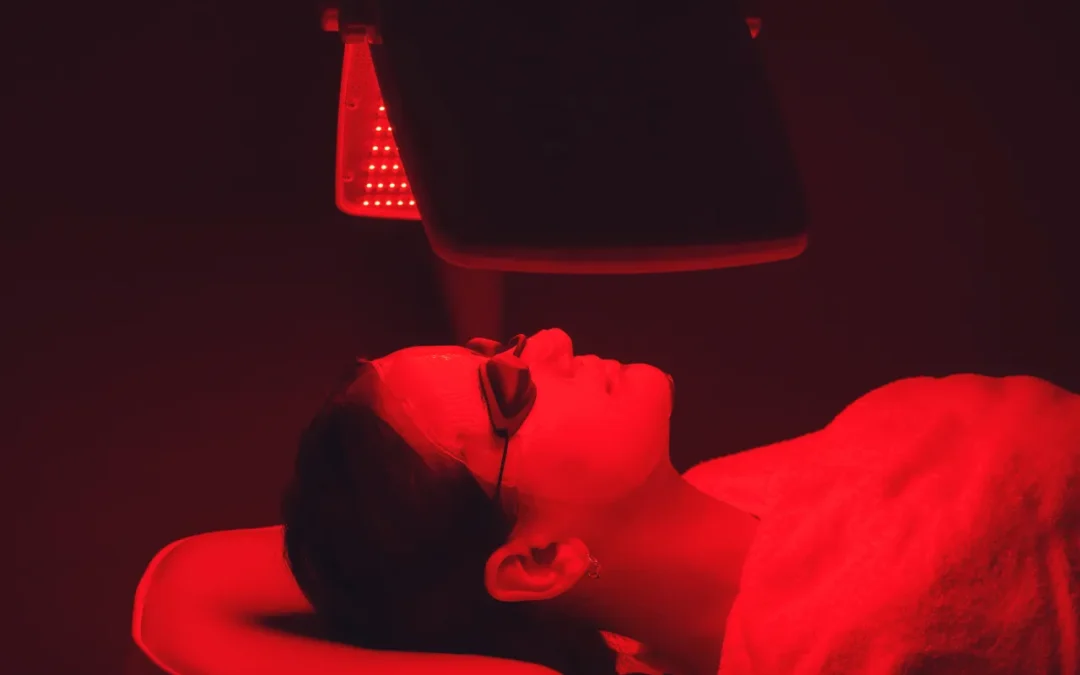
Red light therapy (sometimes called photobiomodulation) uses safe, low-level red or near-infrared light to stimulate cellular activity. In simple terms, specific wavelengths of light penetrate the skin, helping cells repair, reduce inflammation, and boost energy production. As a result, it has become a popular option in spas and wellness clinics.
Studies suggest it can help with skin health, muscle recovery, pain, and inflammation. For example, one scientific review found that red and near-infrared light improved mitochondrial function, reduced oxidative stress, and supported tissue repair. PubMed
Below, we’ll explore key benefits, limitations, and how integrating red light therapy into massage sessions can enhance your results.
Key Benefits of Red Light Therapy
- Skin rejuvenation and collagen support
Red light has been shown to stimulate collagen and elastin production in the skin, improving texture, reducing fine lines, and softening scars. JAAD+2Stanford Medicine+2 Clinical trials have documented improvements in skin appearance after consistent treatment. PMC+1
- Reduced inflammation and pain relief
This therapy can help reduce inflammation in muscle and joint tissues. The light triggers biological pathways that modulate the inflammatory response. UCLA Health+2brownhealth.org+2
Many users report reduced stiffness and discomfort, particularly in areas affected by chronic pain.
- Enhanced tissue repair and recovery
Red light helps speed up healing in skin, muscles, and soft tissues. That’s because the light supports mitochondrial energy production, which is essential for cellular repair. PubMed+1
- Safety profile and minimal side effects
When used correctly, red light therapy is considered a low-risk treatment. It does not use ultraviolet light, which can damage tissues. Experts caution that misuse or overexposure might cause mild irritation or retinal stress if eyes aren’t protected. Cleveland Clinic+1
- Acne, scars, and pigmentation
In dermatology, red light therapy is being used to improve acne, reduce redness, and even out pigmentation. Studies show that in controlled settings, it can support clearer, smoother skin. Cleveland Clinic+2brownhealth.org+2
However, many claims out there have limited scientific support. Some touted uses—like weight loss, treating dementia, or “curing” major illnesses—lack solid evidence at this time. Stanford Medicine+1
When Massage and Red Light Therapy Join Forces
Integrating red light therapy and massage can be a powerful combination. Here’s how they complement each other:
- Deeper tissue readiness: The light warms and energizes tissues, making muscles and fascia more receptive to manual work.
- Extended benefits: After a massage loosens tight areas, red light continues to support cellular repair and reduce inflammation in the hours that follow.
- Improved circulation: Massage already enhances blood flow. Red light boosts microcirculation at a cellular level. Together, they encourage better nutrient delivery and waste removal.
- Holistic wellness effect: While massage addresses the mechanical side (tension, knots, and movement), red light therapy supports the biological side (cell repair, inflammation, and skin health).
Massage techniques combined with red light therapy have become increasingly popular, offering longer-lasting results in recovery, skincare, and overall wellness.
Practical Considerations and Limitations
- Device quality matters: The effectiveness depends on wavelength, intensity, and exposure time. Cheaper at-home devices may not yield the same clinical results.
- Consistency is key: Occasional use won’t bring lasting changes. Most studies show benefits after multiple sessions over weeks to months. UCLA Health+1
- Individual variability: Skin type, age, and the condition being treated influence results. What works well for one person might not work equally for another.
- Not a replacement for medical care: For severe conditions or injuries, red light therapy should complement, not replace, medical or physical treatments.
- Eye protection: When using devices near the face, protecting the eyes is crucial.
Why Red Light Therapy Deserves Attention
Red light therapy is gaining recognition because it supports the body in simple but meaningful ways: boosting skin health, easing pain, reducing inflammation, and encouraging recovery. While further research is still needed for some of its claimed uses, the existing evidence suggests that it can be a valuable addition to modern wellness practices.
When paired with massage, the benefits may be even greater, as the two approaches complement each other—one working mechanically through touch, the other biologically through light. Together, they provide a comprehensive approach to caring for both body and mind.
For anyone looking to expand their self-care routine, red light therapy is worth exploring as part of a comprehensive strategy for achieving balance, promoting recovery, and maintaining long-term health.
References:
- PubMed – Photobiomodulation and mitochondrial function: https://pubmed.ncbi.nlm.nih.gov/33471046/
- Journal of the American Academy of Dermatology – Red light and skin improvement: https://www.jaad.org/article/S0190-9622%2819%2933160-3/fulltext
- National Center for Biotechnology Information (PMC) – Clinical trials on skin benefits: https://pmc.ncbi.nlm.nih.gov/articles/PMC3926176/
- UCLA Health – Health benefits of red light therapy: https://www.uclahealth.org/news/article/5-health-benefits-red-light-therapy
- Cleveland Clinic – Red light therapy overview and safety: https://my.clevelandclinic.org/health/articles/22114-red-light-therapy
- Cleveland Clinic – Acne, scars, pigmentation: https://my.clevelandclinic.org/health/articles/22114-red-light-therapy
- Stanford Medicine – Limitations and evidence gaps: https://med.stanford.edu/news/insights/2025/02/red-light-therapy-skin-hair-medical-clinics.html
- UCLA Health – Consistency in red light therapy use: https://www.uclahealth.org/news/article/5-health-benefits-red-light-therapy